Marketing
Story First, Shot List Second: How We Plan a Brand Film
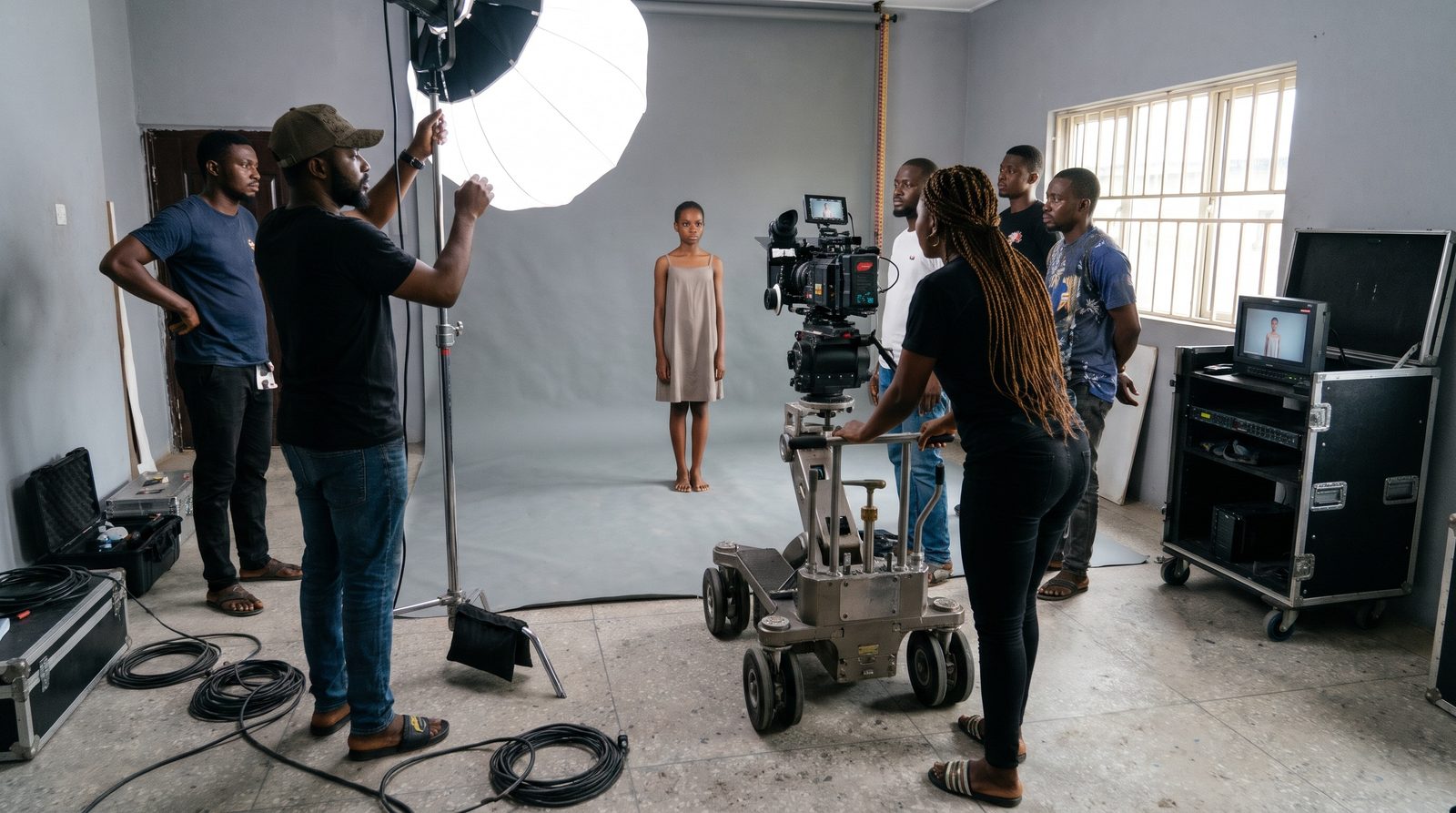
Most brand films go wrong before anyone picks up a camera. The brief asks for a video, the team books a crew, and the first real conversation about the story happens in the edit, when it is the most expensive place to have it.
We plan the other way round. The story comes first, then the people who will tell it, then the look, and only then the list of shots. It sounds slower. In practice it is the fastest way to a film people actually finish watching.
1. One sentence, before anything else
If we can't say what the film is about in one sentence, we are not ready to shoot. Not the product features, not the tagline: the change we want the viewer to feel. For a documentary that might be a question the audience carries out of the room. For a launch film it might be the one thing a customer should believe by the last frame.
2. Find the voice that carries it
Every good film has someone the audience trusts on screen, even when that someone is a narrator they never see. We decide early whose story this is: a founder, a customer, a chef, a community. Real people telling real moments will beat a polished script read to camera almost every time.
3. Decide how it should feel
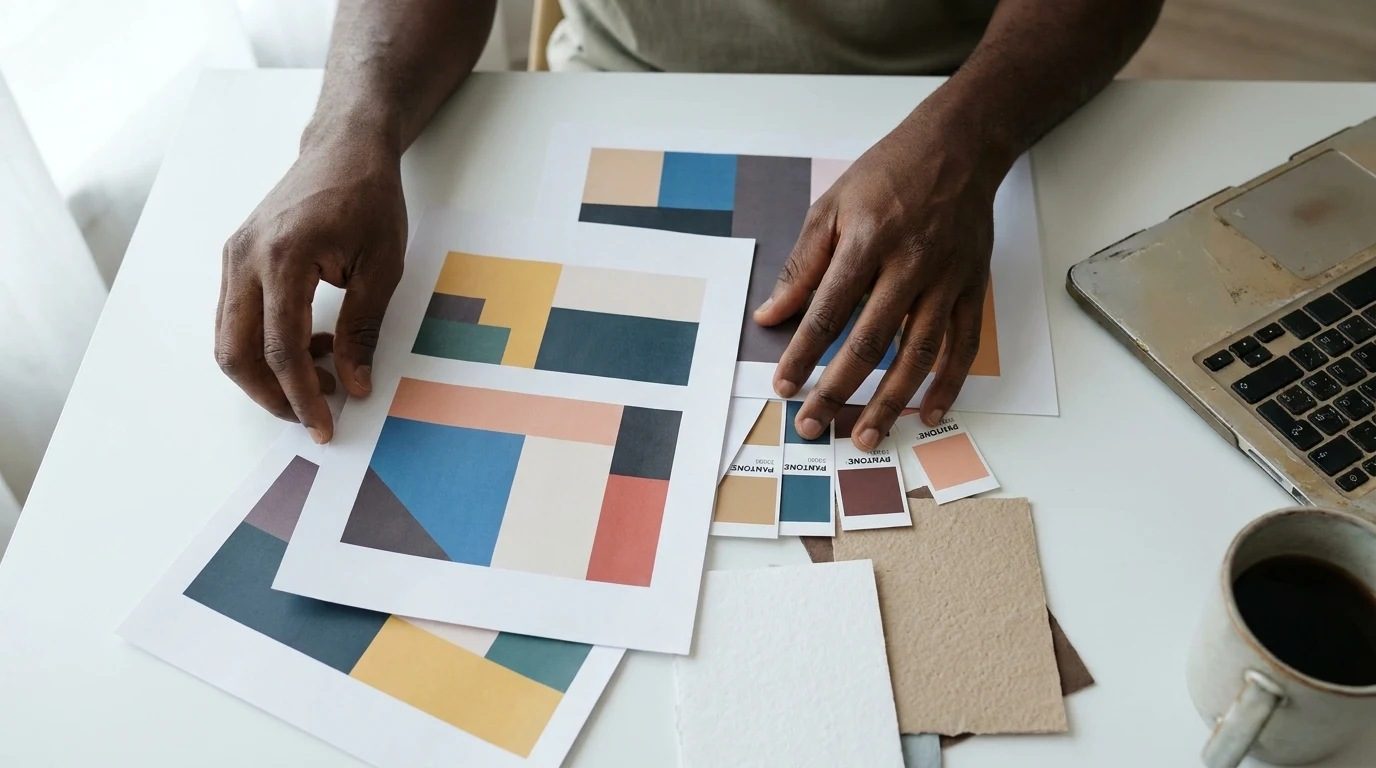
Light, lenses, music and pace are not decoration. They are how the audience knows what to feel before anyone speaks. We put the look on a single page, a few frames and a few words, so everyone on the shoot is making the same film.
4. Then, and only then, the shot list
By now the shot list almost writes itself. Every shot earns its place because it serves the sentence, the voice or the feeling. Anything that doesn't is a nice-to-have we can grab if the day allows.
The shot list is the last thing we write, because by then we know what every shot is for.
What this means for you
When you brief a studio, bring the sentence if you have it, and the problem if you don't. A good team will help you find the story. The camera is the easy part.